The Video Game Industry Is Dead. Long Live Gaming.
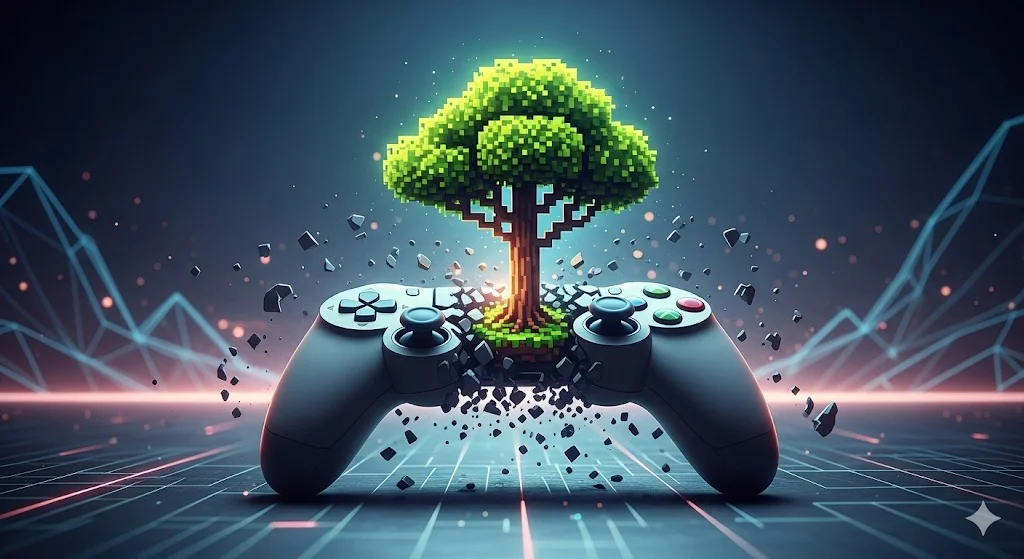
TL;DR: It is 2025 and gaming outgrosses film plus music combined, yet studios keep shedding staff. AAA budgets jumped from $50M a decade ago to over $200M, with Call of Duty and GTA pushing half a billion. Publishers hide behind live service and sequels, while indies like Baldur's Gate 3 prove where the real creative energy went.
The year is 2025, and a strange contradiction defines the video game industry. On one hand, it's bigger than ever, a global behemoth with billions of players and revenues that dwarf the film and music industries combined. New consoles like the Nintendo Switch 2 have launched to great fanfare, and highly anticipated titles such as Grand Theft Auto VI are poised to be the biggest entertainment events in history.
Yet, a closer look reveals a landscape rife with turmoil, a period of painful "reset" that has led many to question the long-term viability of the traditional AAA model. In this new reality, the old gods of gaming are dying, but the spirit of gaming itself is more alive and vibrant than ever.
The AAA Crisis: A House of Cards Built on Unsustainable Costs
The most prominent sign of the industry's woes is the mass wave of layoffs and studio closures that began in 2022 and has continued unabated into 2025. Thousands of talented developers have lost their jobs at some of the biggest names in the business, from Microsoft and Sony to Embracer Group and Electronic Arts.
The root cause of this instability is the ballooning cost of AAA game development. A decade ago, a blockbuster game might have cost $50 million to make; today, that number has skyrocketed to over $200 million, with some franchises like Call of Duty and Grand Theft Auto pushing into the half-billion-dollar range when marketing is included. This demand for hyper-realistic graphics and expansive, cinematic worlds has created a financial arms race that few can win.
As a result, major publishers have become risk-averse, opting to focus on known intellectual properties (IPs) and "live service" games designed for long-term monetization. This strategy has led to a stagnation in creativity, with many new AAA titles failing to meet expectations both critically and commercially. A single misstep, such as a high-profile game like Redfall, can now spell the end for an entire studio.
A Shifting Battlefield: The Rise of Indie and the Fall of the Old Guard
While the AAA sector struggles, a new ecosystem of innovation is thriving. The void left by risk-averse publishers is being filled by indie and mid-tier studios. These smaller teams, unburdened by billion-dollar budgets and corporate overhead, are proving that shorter, polished, and creative games can have a massive cultural and commercial impact.
Games like Baldur's Gate 3 have demonstrated that players are hungry for quality, well-made experiences, regardless of the studio size. This shift is a direct response to the market's demand for fresh ideas and a more personal connection to the games they play. The success of indie platforms and user-generated content (UGC) games like Roblox further highlights that the future of gaming lies not just in passive consumption, but in active participation and community.
The Technological Paradox: Innovation vs. Monetization
Technology in 2025 is more advanced than ever. AI is being integrated into development to create more dynamic and realistic NPCs, cloud gaming is making high-end experiences accessible on a range of devices, and VR/AR are slowly but surely maturing.
However, many of these technological leaps are being leveraged to serve the same old business models. While cross-platform play and digital distribution have made games more accessible, they have also paved the way for more intrusive monetization. Rising game prices, combined with day-one DLC and microtransactions, are creating a sense of consumer fatigue. The battle for player retention has become a numbers game, where engagement is measured in hours played and dollars spent, not just enjoyment.
The Reset and the Future
So, is the video game industry truly dead in 2025? Not in the traditional sense. The industry's economic fundamentals are strong, with billions of gamers worldwide. But the old model, defined by massive, high-risk AAA productions and a relentless pursuit of growth at all costs, is unsustainable. It's a system in need of a fundamental reset.
The industry's future isn't about the death of gaming, but the death of a specific way of doing business. The next era will be defined by smaller, more agile studios, innovative technologies like AI and cloud gaming, and a renewed focus on creative expression. The lessons of the past few years have been painful, but they are paving the way for a more diverse, resilient, and ultimately healthier industry—one where the games themselves, not just the profits they generate, are the true measure of success.
