Unity AI
How we make games has changed. AI is the new normal, and the reward for adapting is the games we dreamed about.
All my writing on AI in Unity, in one place. Reviews, benchmarks, industry takes, and learning paths.
Start here
If you're new to AI in Unity, read this one first. Free setup, no marketplace cost.
-
How do I Use AI in Unity for Free? 2026 Tutorial
Connect Cursor to Unity with MCP for Unity. Install uv, add the package, start the local server, configure your IDE, and run Editor tools from chat.
AI in your workflow
An Editor tool I built and open sourced, and what changes when an agent runs the boring parts of a release.
-

SteamPipeGUI for macOS: Build and Upload to Steam Directly from Unity
My free, open source Editor tool for Steam uploads on macOS. Version 1.3 adds a headless batch mode and a Claude Code skill, so an agent can run the release.
Reviews and benchmarks
Hands-on tests of AI tools and models inside Unity. What I shipped, what failed, and what's worth your time.
-

Unity AI Assistant review: not ready for real work
Hands-on review of Unity AI Assistant in open beta. Tripo asset generation impressed me, but world generation and a drivable car both failed.
-
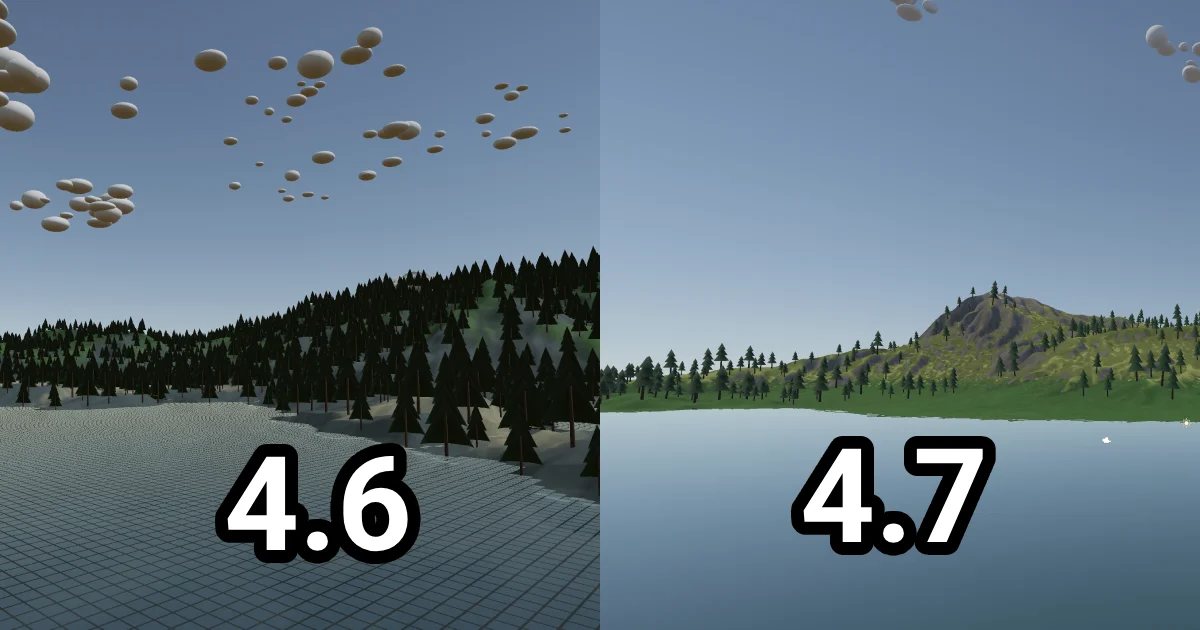
Claude Opus 4.7 vs 4.6: Unity World Generation Benchmark
I benchmarked Claude Opus 4.7 vs 4.6 on one-shot Unity world generation via MCP for Unity. 4.7 wins terrain, oceans, and pine trees. Both still fail rivers.
-
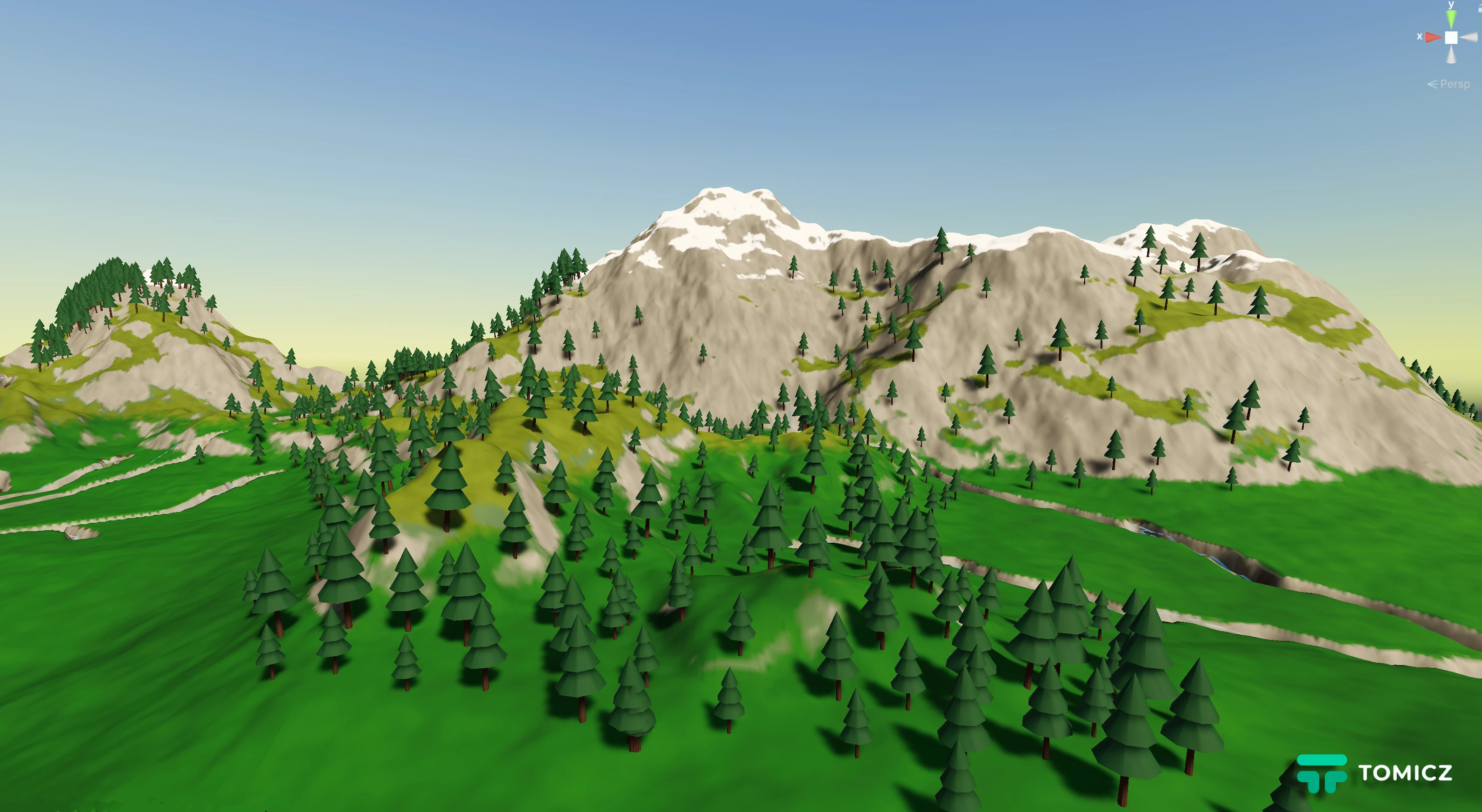
Opus 4.6 vs GPT 5.4 One Prompt Unity World Generation Test
Can AI generate a full Unity world from a single prompt? I tested Opus 4.6, GPT-5.4, and Cursor to compare real results, performance, and limitations.
Industry and careers
How AI is reshaping the Unity job market and the asset store economy. Written from inside the field.
-

The impact of AI on Game Dev Jobs. Open To Work Crisis 2026
LinkedIn is a sea of Open To Work green. Overhiring, NFT money, ChatGPT, and a Python feature I shipped without ever learning Python. My take on 2026.
-

Addressing AI Use in Game Development
I built a Unity game demo with AI in two hours, posted it on LinkedIn, and got hate. Here is where the real AI problem in game development is.
-

Is the Unity Asset Store Dying? Why AI and Unity 6 are Forcing Top Publishers to Pivot or Perish
Makaka Games on why random hobbyist sales are fading from the Unity Asset Store and what premium publishers must sell in 2026.
Learning Unity in the AI era
What changes when there is a model in every editor. Use AI as a tutor, not a code writer.
-

How to Actually Learn Unity in 2026 in the Age of AI
Balance AI tools with C# fundamentals. Use AI as a tutor, not a code writer. Start small and practice every day.
-

Is It Worth Learning Unity in 2026?
Yes, it is still worth learning. Things have changed: how we learn, how we use AI, what actually matters. My honest opinions after 10 years in game development.
-
How to Become a Better Unity C# Programmer in 2026
AI can write your Unity code, but it will not teach you how to think like a programmer. Six habits that still matter in 2026.
From the lab
An experiment I keep updating. One prompt, a complete procedural Unity world, built by an LLM agent.
One Shot Prompt: Unity World Generation
An LLM agent builds a complete procedural 3D landscape inside the Unity Editor from a single prompt. Terrain, water, props, lighting, clouds, and a horizon ring, all from one message.
Started as a benchmark for which model handles real engine work. Open source. Copy the prompt, paste it into your LLM, watch the world build itself.