Will AI Kill Game Jobs?
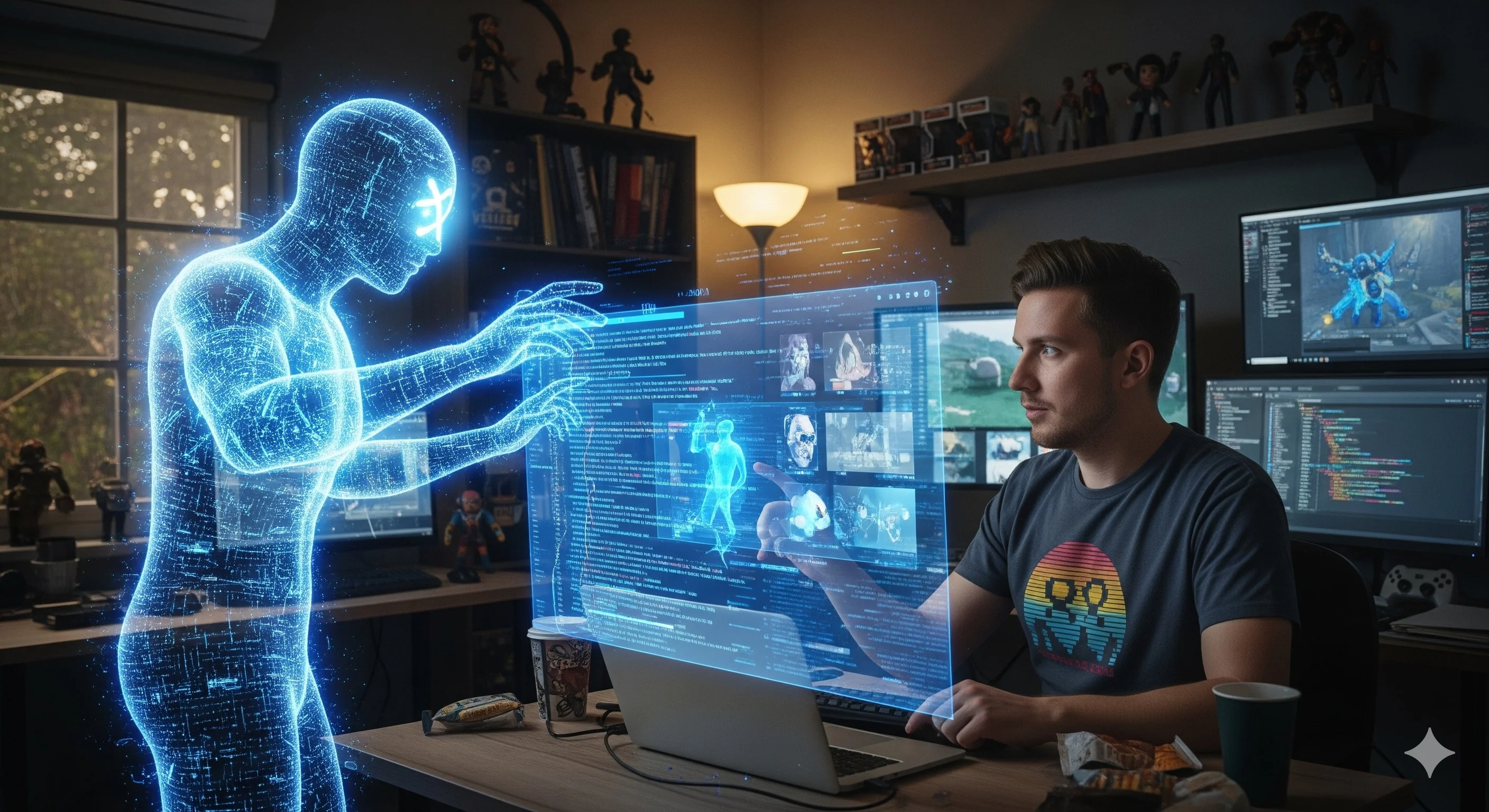
TL;DR: AI already sits inside game pipelines: procedural content, automated QA, asset generation, and coding assistants. I do not think it kills game jobs. Roles shift instead. Artists refine AI output, programmers become AI wranglers, and new titles like prompt engineer and AI ethicist appear. Smaller teams ship bigger projects. Human creativity and storytelling still run the show.
The rapid advancements in Artificial Intelligence (AI) have sparked both excitement and apprehension across various industries, and the video game sector is no exception. As AI tools become more sophisticated, capable of generating art, writing code, and even designing levels, a looming question for many game developers is: will AI kill game jobs?
The Rise of AI in Game Development
AI is already being integrated into game development pipelines in numerous ways.
Procedural Content Generation
AI excels at generating vast amounts of content, from landscapes and character models to quests and dialogue. This can significantly speed up development, especially for open-world games.
Automated Testing
AI-powered tools can identify bugs and glitches much faster and more comprehensively than human testers, leading to more polished game releases.
Asset Creation
Generative AI can produce concept art, textures, 3D models, and even sound effects, potentially reducing the need for large art and sound teams.
AI-Assisted Coding
Tools that can suggest code, complete functions, or even generate entire scripts are becoming more common, aiding programmers in their tasks.
Threat or Opportunity?
While the thought of AI replacing human workers is a legitimate concern, many industry experts believe that AI will more likely transform game jobs rather than eliminate them entirely.
Shifting Roles
Instead of direct replacement, AI might shift the focus of existing roles. Artists might spend less time on repetitive tasks and more on refining AI-generated assets or focusing on highly creative, unique pieces. Programmers might become "AI wranglers," guiding AI tools and integrating their outputs.
New Job Categories
The emergence of AI will undoubtedly create new job categories. We might see roles like AI Ethicists for Games, AI Tool Developers, or Prompt Engineers specializing in game content generation.
Democratization of Game Development
AI tools could lower the barrier to entry for aspiring game developers, allowing smaller teams or even individuals to create more ambitious projects without extensive resources. This could lead to an explosion of creativity and diverse game experiences.
Increased Efficiency and Innovation
By automating tedious tasks, AI can free up human talent to focus on innovation, storytelling, and crafting truly unique gameplay mechanics. This could lead to a golden age of game design.
The Human Element Remains Crucial
Ultimately, the core of what makes a game engaging—creativity, emotional resonance, narrative depth, and strategic design—still heavily relies on the human touch. AI can generate assets, but it struggles with genuine innovation, understanding nuanced player psychology, or crafting compelling narratives that resonate on a deeper level.
Game development is a collaborative, iterative, and deeply human process. While AI will undoubtedly become an increasingly powerful tool in the developer's arsenal, the human imagination, empathy, and creative vision will remain indispensable.
The cleanest way to test where this actually lands is to build something with AI end to end and watch the reaction. I did that with a Unity taekwondo demo I shipped in two hours, posted on LinkedIn, and the comment thread it pulled is the closest thing to a real answer on this question: addressing AI use in game development.
Conclusion
Rather than "killing" game jobs, AI is poised to redefine them. It will automate the mundane, amplify human capabilities, and open doors to new possibilities. The key for professionals in the game industry will be to adapt, learn to leverage these powerful tools, and focus on the uniquely human aspects of game creation that AI cannot replicate. The future of game development will likely be a synergistic partnership between human ingenuity and artificial intelligence.
